
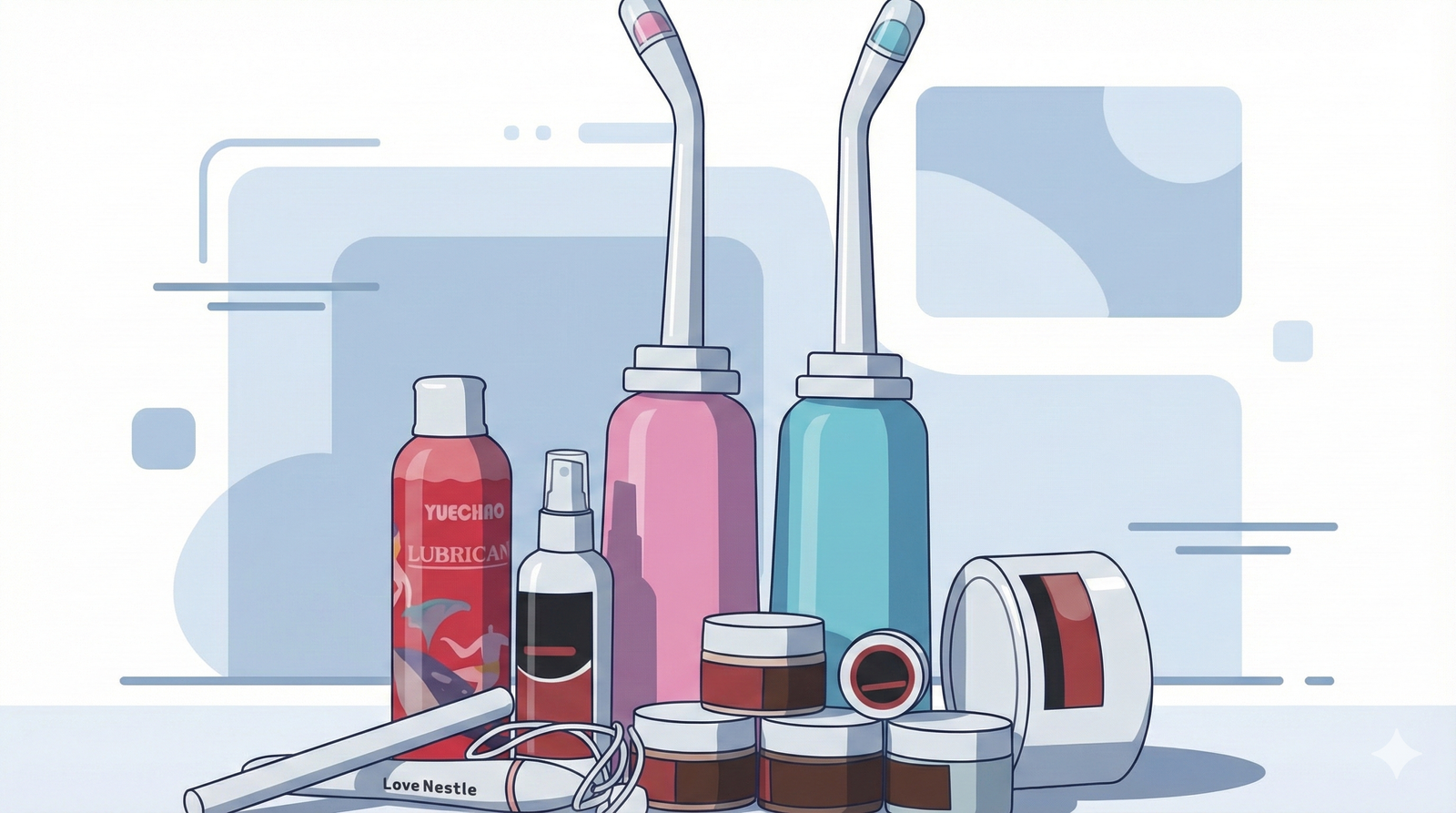
Owning a realistic love doll is a long term commitment. Proper doll care preserves the look and feel of the doll, prevents stains and damage, and keeps the internal skeleton and accessories working for years. This guide walks through the full routine: cleaning after use, deep cleaning, drying, maintenance treatments, stain removal, storage, wig and makeup care, skeleton checks, and a supplies checklist you can use when shopping.
1. After-use sanitation: quick and safe immediate steps for doll care
After any session, clean the areas exposed to fluids right away. For surface cleaning, mild, fragrance free soap and warm water are the core tools. Use a soft cloth or sponge and gentle circular motions. For internal cavities, use a bottle brush or a dedicated irrigator to flush with soapy water; finish with a clean rinse to remove soap residue. These simple steps reduce bacterial growth and keep materials from discoloring.
TPE is porous and can trap oils, dust, and stains, so clean it more thoroughly and more often than silicone. Silicone is non-porous and is easier to sanitize after use. Keep this difference in mind when choosing how often to deep clean.
2. How to deep clean TPE and silicone safely
TPE cleaning routine:
- Lay the doll on a large towel on a flat surface.
- Mix mild, unscented soap with warm water in a spray bottle. Avoid scrubbing; instead, spray and gently pat or wipe to lift dirt.
- For internal cavities, use a soft irrigator or bottle brush to wash then rinse thoroughly. Use a tampon or drying rod to wick moisture from deep crevices.
- Dry completely before returning the doll to storage. A fan on low can help, but avoid direct heat.
Silicone cleaning routine:
- Wipe with warm water and mild soap. Because silicone is non-porous, stains and residue rinse off more easily.
- For stubborn residue, a soft brush and toy-safe cleaner work well. Dry thoroughly and then apply a light dusting of cornstarch or a dedicated doll powder to restore a smooth, non-sticky finish.
3. Drying, powdering, and oiling
TPE needs thorough drying. Any retained moisture in cavities, seams, or connectors will accelerate material degradation and encourage mold growth. Use absorbent cloths, tampons, or drying rods in cavities and leave the doll in a dry area until completely dry. For TPE maintainers: some products recommend reapplying a small amount of recommended finishing oil or maintenance oil to keep the surface supple. Use only manufacturer-approved oils to avoid incompatibilities. For silicone, avoid oils on the surface; instead, use a light powder if the surface feels tacky.
4. Stain removal methods and precautions
Light stains often come out with soap and careful rubbing. For deeper color transfer from fabric or dyes, hobbyist communities and repair guides commonly recommend targeted treatments such as benzoyl peroxide acne creams or makeup removers like cold cream. These can work but must be used cautiously and tested on a small area first because aggressive chemicals can alter TPE surface texture. Always follow manufacturer stain-removal instructions when provided, and keep records of what you applied.
5. Lubricants and product compatibility
Never use oil-based lubricants with TPE. Oil and many silicone-based lubricants react poorly with TPE and can cause the material to become gummy, swollen, or degraded. For TPE, stick to high-quality water-based lubricants. Silicone toys are more tolerant of silicone-based lubricants, but always check the manufacturer’s recommendations.
6. Clothing, makeup, and wig care
- Clothing: Avoid dark, highly saturated fabrics that can bleed color. Wash new garments and, if possible, line-dry them to reduce dye transfer. Use light sheets or neutral colors where the doll will rest.
- Makeup: If you add makeup to the face, use products made for dolls or cosmetics that are easy to remove; avoid permanent or oil-based cosmetics unless the manufacturer supports them. Remove makeup gently and reapply only after cleaning and powdering.
- Wigs: Remove wigs before deep cleaning. Store wigs on a wig stand, detangle with a wide-tooth comb, and avoid high heat styling unless the wig is heat-resistant.
7. Skeleton and joint maintenance
Check the skeleton periodically. Make sure joint screws and mounts feel secure. Wipe off dust and test range of motion gently. If joints squeak or stiffen, consult the manufacturer for approved lubricants or spare parts. Avoid forcing extreme poses repeatedly; this reduces stress on both skeleton and outer material. Manufacturers often sell replacement joint kits or offer repair guidance.
8. Storage and shipping tips
Store the doll lying flat on a padded surface or in a standing position supported by a stand. Avoid prolonged pressure on the same area to prevent permanent creasing. Keep the doll out of direct sunlight and away from heat sources. For long term storage, lightly powder silicone surfaces and oil treated TPE surfaces per manufacturer guidance. When shipping, pack with soft padding and protect protruding parts; secure the skeleton and use additional padding around joints.
9. Safety and sharing
If the doll may be used by more than one person, always use barriers such as condoms for internal use and sanitize carefully between uses. Because TPE is porous, sharing creates higher risk unless condoms or liners are used.
10. Supplies checklist
- Mild, fragrance free soap
- Soft microfiber towels
- Bottle brush and irrigator for cavities
- Tampons or drying rods for internal drying
- Doll powder for silicone or finishing oil for TPE (manufacturer recommended)
- Spare joint screws and lubricant approved by the skeleton maker
- Neutral, wash-tested clothing and storage covers
Final notes
Good doll care is simple, but it matters. Routine cleaning, careful drying, correct lubricants, gentle handling of joints, and smart storage will keep a doll in top condition for years. When in doubt, consult the manufacturer’s care sheet.